Guided Reading Activity: World War II and the Holocaust ⎼ Article Plan
This comprehensive plan explores WWII and the Holocaust, utilizing resources like “Daniel’s Story” and PBS LearningMedia.
It emphasizes choices, resistance, and preventing future atrocities.
This guided reading activity immerses students in the complex history of World War II and the Holocaust, fostering critical thinking about state-sponsored antisemitism and its devastating consequences. Building upon timelines and films like “The Path to Nazi Genocide,” we’ll explore the experiences of individuals, particularly Jewish children represented in “Daniel’s Story.”
A core question drives our inquiry: what lessons can we draw from the choices made during the Weimar Republic, the Nazi rise to power, and the Holocaust regarding the impact of our own decisions today? Defining the Holocaust itself is paramount, guided by museum resources, ensuring a foundational understanding for deeper exploration.
II. The Historical Context: Pre-War Europe
Understanding pre-war Europe is crucial for grasping the conditions that enabled the Holocaust. This section will examine the political, social, and economic landscape of the Weimar Republic, setting the stage for the rise of extremist ideologies. Students will analyze how post-WWI instability and widespread antisemitism created fertile ground for Nazi propaganda and the persecution of Jewish communities.
We’ll explore the existing prejudices and discriminatory practices, laying the groundwork for understanding the escalation of hatred. This historical context informs our analysis of choices made and their devastating consequences, linking past events to present-day relevance.
III. The Rise of Nazi Germany
This section delves into the ascent of the Nazi Party, examining the factors that contributed to its power. We will analyze the core tenets of Nazi ideology, with a specific focus on the virulent antisemitism that fueled its agenda. Students will trace key events from 1933 to 1939, understanding how Hitler consolidated control and systematically dismantled democratic institutions.
The exploration will highlight the role of propaganda in shaping public opinion and fostering a climate of fear and hatred, ultimately paving the way for aggressive expansionist policies and the horrors to come.
III.1. Nazi Ideology and Antisemitism
This segment dissects the foundational beliefs of Nazism, revealing its pseudoscientific racial theories and the central role of antisemitism. Students will investigate how the Nazis constructed a narrative of Jewish inferiority, blaming Jews for Germany’s problems and portraying them as an existential threat.
We’ll examine how this ideology translated into discriminatory policies, escalating from social exclusion to systematic persecution. Understanding the roots of this hatred is crucial for comprehending the Holocaust’s origins and preventing similar atrocities.
III.2. Key Events Leading to War (1933-1939)
This section charts the escalating tensions of the late 1930s, pinpointing pivotal events that propelled Europe towards conflict. We’ll analyze Hitler’s rise to power, the remilitarization of the Rhineland, the annexation of Austria (Anschluss), and the Munich Agreement – a failed attempt at appeasement.
Students will explore the significance of the Nazi-Soviet Pact and, ultimately, the invasion of Poland in September 1939, which triggered declarations of war from France and the United Kingdom, marking the official start of WWII.
IV. World War II: A Global Conflict
This segment examines WWII’s vast scope, extending beyond Europe to encompass the Pacific and North Africa. Students will investigate the major theaters of war, understanding the distinct challenges and strategies employed in each. We’ll delve into key battles – Stalingrad, D-Day, Midway – analyzing their strategic importance and impact on the war’s trajectory.
The lesson will highlight turning points, demonstrating how Allied victories gradually shifted the momentum against the Axis powers, ultimately leading to their defeat in 1945.
IV.1. Major Theaters of War (Europe, Pacific, etc.)
This section details the primary geographical areas where WWII’s battles unfolded. In Europe, students will explore the Eastern and Western Fronts, focusing on Germany’s campaigns and Allied responses. The Pacific Theater will be examined, highlighting the conflict between Japan and the United States, including island-hopping strategies.
North Africa’s role as a crucial battleground will also be addressed, alongside smaller, yet significant, theaters. Understanding these diverse fronts reveals the truly global nature of the conflict and its widespread impact.
IV.2. Key Battles and Turning Points
This segment analyzes pivotal engagements that shifted the war’s momentum. Students will investigate the Battle of Stalingrad, a brutal turning point on the Eastern Front, and D-Day, the Allied invasion of Normandy, which opened a Western Front.
The attack on Pearl Harbor, prompting US entry, and the Battle of Midway, halting Japanese expansion in the Pacific, will also be examined. Analyzing these battles reveals strategic decisions, human costs, and the complex interplay of factors determining victory or defeat.
V. The Holocaust: Defining the Term
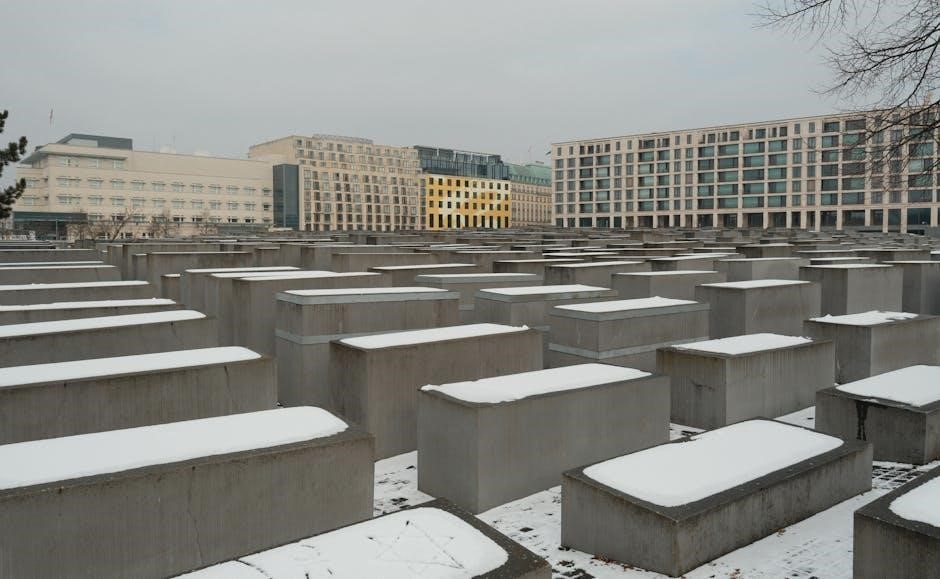
Establishing a clear understanding of “Holocaust” is crucial, as per museum guidelines. This section moves beyond a simple definition, exploring its historical context and significance. Students will analyze how the systematic, state-sponsored persecution and murder of six million Jews, alongside millions of others, constitutes genocide.
We’ll differentiate the Holocaust from other instances of persecution, emphasizing the Nazi regime’s uniquely industrialized and ideological approach. This foundational understanding informs subsequent explorations of implementation and resistance.
VI. The Implementation of the “Final Solution”
This section details the chilling progression of the “Final Solution,” Nazi Germany’s plan to annihilate the Jewish people. We’ll examine the initial stages – the establishment of ghettos designed for segregation and control, stripping individuals of rights and dignity.
Further analysis will focus on the evolution towards concentration and extermination camps, outlining their purpose and the horrific conditions endured by prisoners. Understanding this systematic process is vital for comprehending the scale and brutality of the Holocaust.
VI.1. Ghettos and Segregation
This exploration focuses on the establishment of ghettos as the first concrete step in the implementation of the “Final Solution.” These weren’t simply residential areas; they were deliberately created zones of confinement, designed to isolate and control Jewish populations.
We’ll analyze how segregation stripped individuals of their basic rights, livelihoods, and dignity, creating conditions of extreme hardship – overcrowding, starvation, and disease. Understanding the purpose and impact of these ghettos is crucial for grasping the escalating persecution.
VI.2. Concentration and Extermination Camps
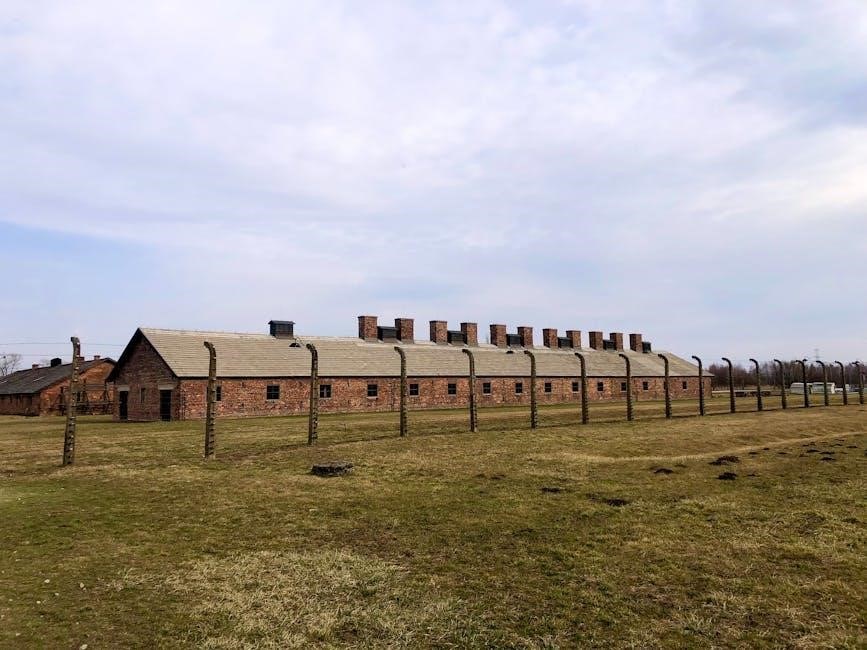
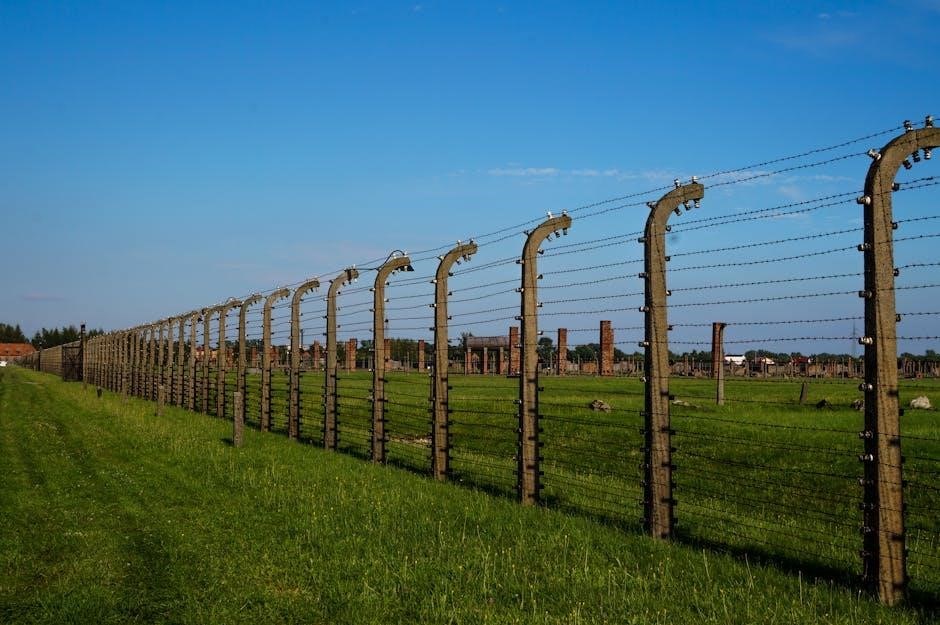
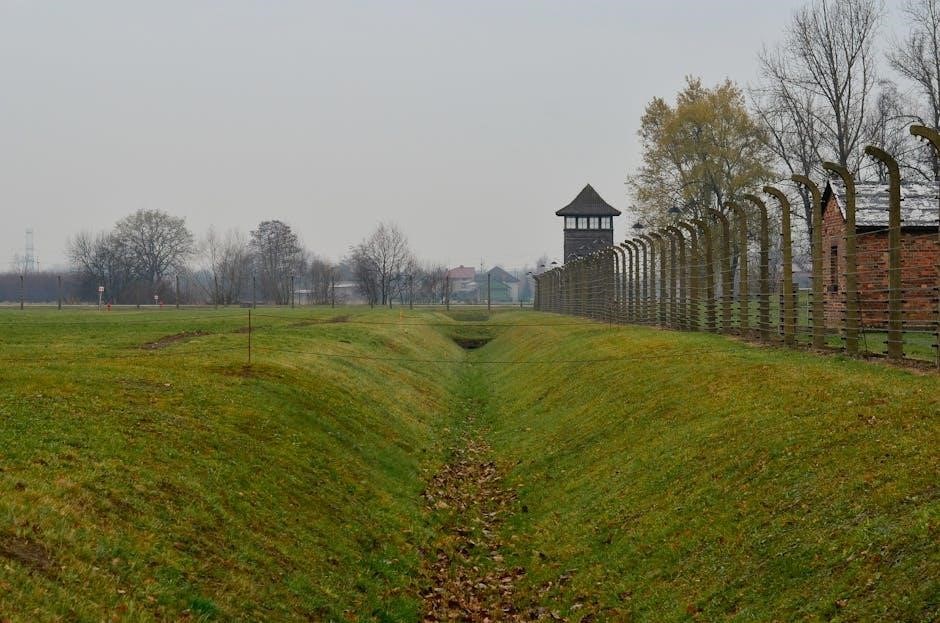
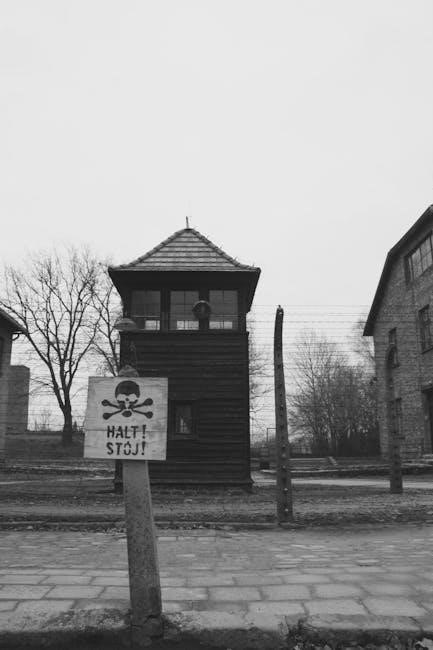
This section delves into the horrific reality of concentration and extermination camps, distinguishing between their initial purpose – forced labor and imprisonment – and their eventual transformation into sites of systematic mass murder. We will examine the infrastructure of these camps, the dehumanizing conditions endured by prisoners, and the methods employed for extermination.
Analyzing the evolution of these camps reveals the chilling progression of Nazi ideology and the calculated nature of the “Final Solution,” emphasizing the scale and brutality of the Holocaust.
VII. Personal Stories: Voices from the Holocaust
This segment centers on individual experiences, humanizing the vast tragedy of the Holocaust. We will explore “Daniel’s Story,” a poignant animated film representing the experiences of Jewish children during this dark period, fostering empathy and understanding.
Furthermore, we’ll analyze excerpts from Anne Frank’s diary, recognizing it as a powerful historical document offering intimate insights into a young girl’s life under Nazi persecution. These narratives provide crucial perspectives, reminding us of the individual lives lost and the importance of remembrance.
VII.1. Anne Frank: A Diary as Historical Document
Anne Frank’s diary transcends personal reflection, serving as a vital historical document offering a unique window into the Holocaust era. Excerpts from Melissa Müller’s biography will be examined, contextualizing Anne’s writings within the broader historical narrative.
Students will analyze her observations on daily life in hiding, the growing fear of discovery, and her unwavering hope amidst unimaginable circumstances. This analysis will demonstrate how personal accounts illuminate the larger historical events, fostering a deeper understanding of the human cost of prejudice and persecution.
VII.2. Daniels Story: Representing Jewish Children’s Experiences
“Daniel’s Story,” a ten-minute animated film, powerfully represents the experiences of Jewish children during the Holocaust, mirroring the realities faced by millions. This resource allows students to connect emotionally with the historical events through a relatable narrative.
The lesson will focus on analyzing Daniel’s journey – from a normal childhood to increasing persecution and ultimately, the horrors of Nazi Germany. Students will discuss how this fictionalized account amplifies understanding of the widespread impact of antisemitism and the loss of innocence during this dark period.
VIII. Resistance During the Holocaust
Exploring resistance during the Holocaust reveals diverse acts of defiance against Nazi oppression, extending beyond armed uprisings. This section examines both armed resistance and spiritual resistance, highlighting the courage of individuals and groups who actively opposed the regime.
Students will analyze the foundations of resistance, recognizing that even small, individual acts of defiance – preserving culture, maintaining faith, or offering aid – constituted significant challenges to Nazi control. The lesson emphasizes collective and individual actions, demonstrating the multifaceted nature of resistance.
VIII.1. Forms of Resistance (Armed, Spiritual, etc.)
Resistance during the Holocaust manifested in varied forms, transcending solely armed rebellion. While uprisings like the Warsaw Ghetto Uprising demonstrate courageous armed resistance, spiritual resistance played a crucial, often overlooked, role. This encompassed maintaining religious faith, preserving cultural identity, and documenting experiences – acts defying Nazi dehumanization.
Students will explore how seemingly small acts, like secretly educating children or creating art, constituted resistance. Examining these diverse forms reveals the resilience of the human spirit and the multifaceted nature of opposition to Nazi tyranny.
VIII.2. Foundations of Resistance: Individual and Collective Acts
Resistance wasn’t solely grand gestures; it stemmed from both individual courage and collective action. Examining the foundations reveals a spectrum of responses, from sheltering Jews at immense personal risk to participating in underground networks providing aid and information.
Students will analyze how individual choices – to help, to hide, to document – contributed to a broader resistance movement. Collective acts, like forming partisan groups, demonstrate organized opposition. Understanding these foundations highlights the power of both personal conviction and communal solidarity in confronting evil.
IX. U.S. Involvement in WWII and the Holocaust
Exploring U.S. involvement requires examining both wartime actions and pre-war policies. PBS LearningMedia offers resources detailing American awareness of the Holocaust, alongside investigations into immigration policies concerning Jewish refugees fleeing persecution.
Students will critically analyze the extent of knowledge within the U.S. government and public regarding the atrocities occurring in Europe. Examining restrictive immigration laws reveals the challenges faced by those seeking refuge. This section fosters discussion about America’s role, responsibilities, and the complexities of intervention.
IX.1. American Awareness of the Holocaust
Investigating American awareness necessitates analyzing the flow of information during WWII. Early reports were often fragmented and met with skepticism, hindering widespread understanding of the Holocaust’s scale and brutality. Resources from PBS LearningMedia illuminate how news reached the U.S., and how it was initially perceived by the public and government officials.
Students will explore primary sources to assess the level of detail known at different stages of the war, prompting critical thinking about the factors influencing public opinion and policy decisions.
IX.2. Immigration Policies and Jewish Refugees
Examining U.S. immigration policies during the 1930s and 40s reveals a complex and often restrictive landscape for Jewish refugees fleeing Nazi persecution. Despite growing awareness of the escalating crisis, stringent quotas and bureaucratic hurdles limited the number of visas granted. PBS LearningMedia resources detail the challenges faced by those seeking asylum.
Students will analyze the political and social climate of the time, considering the factors that contributed to these restrictive policies and their devastating consequences for those denied safe haven.
X. The Liberation of the Camps
The liberation of concentration and extermination camps by Allied forces in 1945 marked the end of the Holocaust’s most horrific phase, yet revealed the full extent of Nazi brutality. Students will explore firsthand accounts and historical documentation detailing the conditions discovered upon arrival at camps like Auschwitz and Buchenwald.
This section emphasizes the shock and disbelief experienced by liberators and the immediate needs of the surviving prisoners, highlighting the long road to recovery and the enduring trauma inflicted by the Nazi regime.
XI. Post-War Consequences and Trials
Following WWII, the world grappled with the immense consequences of the Holocaust and the need for accountability. This section focuses on the Nuremberg Trials, examining their significance in establishing principles of international law and holding Nazi leaders responsible for war crimes and crimes against humanity.
Students will analyze the impact of these trials on survivors and future generations, considering the challenges of rebuilding lives and communities shattered by genocide, and the lasting lessons learned from this dark chapter in history.
XI.1. Nuremberg Trials: Accountability for War Crimes
The Nuremberg Trials represent a pivotal moment in international justice, holding Nazi leaders accountable for atrocities committed during World War II and the Holocaust. Students will investigate the charges brought against defendants – including crimes against peace, war crimes, and crimes against humanity – and the evidence presented.
Analyzing the trials’ outcomes fosters critical thinking about the establishment of legal precedents and the enduring importance of individual responsibility for mass atrocities, ensuring such horrors are never repeated.
XI.2. The Impact on Survivors and Future Generations
Exploring the aftermath of the Holocaust reveals profound, lasting impacts on survivors and their descendants. Students will examine the physical and emotional trauma endured, the challenges of rebuilding lives, and the intergenerational transmission of grief and resilience.
Understanding these consequences emphasizes the importance of remembrance, support for survivor communities, and educating future generations about the Holocaust’s enduring legacy to prevent similar tragedies and foster empathy.
XII. Teaching the Holocaust: Guidelines and Resources
Effective Holocaust education demands sensitivity and adherence to established guidelines. The United States Holocaust Memorial Museum provides crucial resources for educators, emphasizing defining the Holocaust and utilizing age-appropriate materials like “Daniel’s Story.”
PBS LearningMedia offers galleries with videos and documents for grades 6-8 and 9-12, covering topics like antisemitism and Nazi ideology. These resources facilitate critical thinking and promote understanding of this complex historical event, ensuring respectful and accurate instruction.
XIII. Analyzing Historical Experiments on Teaching the Holocaust
Examining past pedagogical approaches offers valuable insights into effective Holocaust education. A 1967 experiment, detailed in provided resources, attempted to simulate the Nazi era for students, prompting reflection on its consequences. Analyzing this “Dangerous Experiment” reveals lessons about the challenges of conveying such sensitive history.
Understanding the outcomes of this experiment informs current best practices, emphasizing the importance of careful resource selection and fostering critical thinking. Resources like Gertie Lerer’s “The Young Soapmaker” provide compelling narratives for student engagement.
XIII.1. The 1967 Experiment: Lessons Learned
The 1967 experiment, aiming to simulate Nazi Germany, highlighted the complexities of teaching the Holocaust. While intending to foster empathy, it underscored the potential for misinterpretation and the need for careful contextualization. The experiment’s impact reveals the importance of avoiding simplistic comparisons or reenactments that could trivialize the suffering.
Key takeaways include prioritizing historical accuracy, utilizing diverse primary sources, and encouraging students to analyze the motivations and consequences of individual choices within the broader historical context. This experiment serves as a cautionary tale, emphasizing sensitivity and responsible pedagogy.
XIV. Recommended Literature and Resources
A wealth of resources enhances Holocaust education, offering diverse perspectives and deepening understanding. Recommended texts include Gertie Lerer’s “The Young Soapmaker,” providing a poignant firsthand account. Melissa Müller’s biography of Anne Frank offers detailed insights, while Richard Breitman’s “Official Secrets” explores Allied knowledge of Nazi plans.
Further exploration can be found in annotated Holocaust bibliographies encompassing biographies, fiction, memoirs, diaries, poetry, drama, and critical analyses. These materials facilitate comprehensive learning and encourage critical engagement with this complex history.
XIV.1. Biographies and Memoirs
Biographies and memoirs offer intimate glimpses into the lives impacted by the Holocaust, fostering empathy and understanding. Melissa Müller’s biography of Anne Frank provides a detailed account of her life and experiences, while Gertie Lerer’s “The Young Soapmaker” presents a compelling memoir of a child’s survival.
These personal narratives humanize the historical events, allowing students to connect with individuals and grasp the profound consequences of prejudice and persecution. Exploring these accounts is crucial for a nuanced understanding.
XIV.2. Fiction, Poetry, and Drama
Fiction, poetry, and drama provide powerful avenues for exploring the emotional and psychological impact of the Holocaust. While not strictly historical accounts, these artistic expressions can illuminate the human experience in profound ways, complementing factual learning. Annotated Holocaust Bibliography II highlights diverse literary works.
These mediums allow students to grapple with complex themes of loss, resilience, and moral responsibility, fostering critical thinking and empathy. They offer alternative perspectives and encourage deeper engagement with the historical context.
XV. PBS Learning Media Resources
PBS LearningMedia offers a wealth of resources to enhance understanding of WWII and the Holocaust, specifically tailored for grades 6-8 and 9-12. These include media galleries, individual videos, and primary source documents, organized around critical war issues.
Topics covered encompass antisemitism, immigration policies, and the dangerous ideologies of Nazi-Fascism. The site provides educators with tools to facilitate engaging lessons and promote critical analysis of this complex historical period, fostering a deeper comprehension of the events and their lasting impact.
XVI. The Weimar Republic and its Influence
A 23-lesson unit centers on the essential question: What lessons can we draw from the choices made during the Weimar Republic, the Nazi Party’s rise, and the Holocaust regarding the power of our own decisions today? Exploring this period is crucial for understanding the conditions that allowed extremism to flourish.
Students are prompted to reflect on the consequences of political and social instability, and how seemingly small choices can contribute to larger, devastating outcomes. This exploration provides vital context for comprehending the Holocaust’s origins.
XVII. Choices and Consequences: A Core Theme
The overarching theme throughout this study is the profound impact of individual and collective choices. Students will analyze decisions made by various actors – from political leaders to ordinary citizens – during the Weimar Republic, the Nazi era, and WWII.
This examination isn’t simply about historical events; it’s about understanding how choices, both large and small, lead to specific consequences. The unit encourages critical thinking about personal responsibility and the potential for both positive and negative outcomes stemming from our actions.
XVIII. Anti-Semitism as a Catalyst
A crucial element in understanding the Holocaust is recognizing the historical role of antisemitism. This wasn’t a sudden eruption of hatred, but a deeply rooted prejudice with centuries-long origins, escalating dramatically in pre-war Europe.
The curriculum will explore how state-sponsored antisemitism, fueled by Nazi ideology and propaganda, systematically dehumanized Jewish people. This created an environment where discrimination, persecution, and ultimately, genocide, became possible. Examining this catalyst is vital for comprehending the path to Nazi atrocities.
XIX. Nazi-Fascist Ideology: A Deep Dive
This section will dissect the core tenets of Nazi-Fascist ideology, revealing its dangerous blend of extreme nationalism, racial supremacy, and totalitarian control. Students will analyze how these beliefs were used to justify expansionist policies and the persecution of minority groups.
Resources from PBS LearningMedia will be utilized to explore the specific ways Nazi-Fascist ideology manifested in anti-Semitic policies and propaganda. Understanding this ideology is essential for recognizing the warning signs of similar extremist movements and preventing future atrocities.
XX. The Role of Propaganda
This exploration focuses on how the Nazi regime skillfully employed propaganda to manipulate public opinion and cultivate support for its policies. Students will examine examples of Nazi propaganda – posters, films, and speeches – analyzing the techniques used to demonize Jews and other targeted groups.
PBS LearningMedia resources will provide crucial insights into the pervasive nature of Nazi propaganda and its impact on German society. Analyzing propaganda’s effectiveness will help students understand how easily misinformation can be used to incite hatred and justify violence.
XXI. The Path to Nazi Genocide: Understanding the Stages
This section dissects the incremental steps that led to the Holocaust, moving from discriminatory legislation to systematic persecution and ultimately, mass murder. Utilizing the “Path to Nazi Genocide” film as a core resource, students will trace the escalation of anti-Jewish policies.
The lesson emphasizes recognizing warning signs of genocide and understanding how seemingly small acts of prejudice can pave the way for larger atrocities. Examining these stages fosters critical thinking about individual and collective responsibility, and the importance of intervention.
XXII. Conclusion: Remembering and Preventing Future Atrocities
This concluding section reinforces the enduring lessons of the Holocaust and WWII, prompting students to reflect on the power of individual choices. The unit’s essential question – “What does learning about these events teach us about our choices today?” – is revisited.
Students are encouraged to apply historical understanding to contemporary issues, recognizing patterns of prejudice and discrimination. Remembering the past is presented not merely as an act of commemoration, but as a vital step towards building a more just and equitable future, preventing similar tragedies.