Weighted Blanket Guide: A Comprehensive Overview (Updated 05/04/2026)
This guide explores weighted blankets, offering a detailed look at their benefits, usage, and considerations, acknowledging they are a non-drug sleep aid with minimal side effects.
What is a Weighted Blanket?
Weighted blankets are essentially cozy throws, but with a significant difference: they contain heavy pockets designed to create a soothing, calming pressure across the body. This isn’t just about added warmth; the weight itself is the key component, ranging in various amounts to suit individual needs.
Unlike standard blankets, weighted blankets aren’t about insulation, though materials certainly play a role in comfort and temperature regulation. They are designed to mimic the sensation of being held or hugged – a concept known as Deep Touch Pressure (DTP). Rhonda James, initially skeptical, experienced a rapid onset of sleepiness upon using one, highlighting the immediate effect for some individuals.
These blankets are increasingly popular as a non-pharmacological approach to improving sleep and managing conditions like anxiety, offering a potentially safer alternative to medication, though cost remains a factor.
How Weighted Blankets Work: The Science Behind the Comfort
The primary mechanism behind weighted blanket comfort lies in Deep Touch Pressure (DTP), a therapeutic technique utilizing firm but gentle pressure to promote a sense of calm. This pressure stimulates the release of serotonin and dopamine – neurotransmitters associated with mood regulation and relaxation – while simultaneously reducing cortisol, the stress hormone.
While the exact neurological pathways are still being researched, the effect is akin to swaddling an infant, providing a feeling of security and containment. However, a “blind” study is challenging to conduct, as users are readily aware of the blanket’s weight.
Interestingly, despite reported benefits for sleep and mood, current evidence suggests limited direct impact on muscle relaxation itself. The perceived comfort and reduction in anxiety likely contribute to improved sleep, rather than direct muscular effects.
The History of Weighted Blankets: From Occupational Therapy to Mainstream Use
The roots of weighted blankets trace back to occupational therapy, where they were initially employed as a therapeutic tool decades ago. Therapists observed that applying deep pressure stimulation could be beneficial for individuals with sensory processing disorders, autism, and anxiety, helping to calm and regulate their nervous systems;
Initially, these blankets were often custom-made to meet specific patient needs. Over time, awareness of their potential benefits expanded, leading to increased interest beyond clinical settings.
The rise of online retail and growing consumer interest in natural wellness solutions propelled weighted blankets into mainstream use around the mid-2010s, transforming them from a niche therapeutic aid into a widely available comfort item.

Benefits of Using a Weighted Blanket
Weighted blankets offer a range of potential advantages, including improved sleep, reduced anxiety and stress, and possible relief from conditions like restless leg syndrome and ADHD.
Improved Sleep Quality
Many users report experiencing enhanced sleep quality with the consistent use of weighted blankets. The gentle, distributed pressure mimics the sensation of being held or hugged – often referred to as “deep touch pressure.” This can trigger the release of serotonin and melatonin, hormones crucial for regulating sleep cycles.
While robust, large-scale studies are still emerging, anecdotal evidence and preliminary research suggest weighted blankets can help individuals fall asleep faster and experience fewer nighttime awakenings. They are considered a potentially safer alternative to pharmaceutical sleep aids, boasting fewer adverse effects. However, it’s important to note that individual responses vary, and a weighted blanket isn’t a guaranteed solution for all sleep disorders. The blankets’ ability to promote relaxation contributes significantly to a more restful night.
Anxiety and Stress Reduction
Weighted blankets are increasingly recognized for their potential to alleviate anxiety and reduce stress levels. The deep touch pressure stimulation they provide can have a calming effect on the nervous system, promoting a sense of security and well-being. This sensation encourages the body to shift from a state of heightened alert – typical in anxiety – to a more relaxed state.
Although a blind comparison study is challenging due to the obvious weight, many individuals find significant comfort in the feeling of being gently held. While definitive scientific proof remains limited, the blankets offer a non-pharmacological approach to managing mild to moderate anxiety. They can be particularly helpful for those experiencing nighttime worry or racing thoughts, contributing to a more peaceful mental state.
Potential for Relief from Restless Leg Syndrome
While research is still emerging, some individuals with Restless Leg Syndrome (RLS) report finding relief through the use of weighted blankets. The gentle, distributed pressure may help to reduce the uncomfortable sensations and urges to move that characterize RLS, particularly during periods of rest or sleep. This effect isn’t fully understood, but it’s theorized that the deep touch pressure stimulation could modulate sensory input and lessen neurological hyperactivity.
It’s important to note that weighted blankets aren’t a guaranteed cure for RLS, and benefits vary significantly from person to person. They are often used as a complementary therapy alongside other treatments recommended by healthcare professionals. Even without a specific diagnosis, individuals experiencing leg discomfort may find the blankets soothing.
Benefits for Individuals with Autism Spectrum Disorder
Weighted blankets have shown promise in providing comfort and support for individuals on the Autism Spectrum Disorder (ASD). Many individuals with ASD experience sensory processing differences, often leading to heightened sensitivity to touch, sound, or movement. The deep pressure stimulation offered by weighted blankets can be incredibly calming, creating a sense of security and reducing anxiety.
This gentle pressure can help to ground individuals, minimizing feelings of overwhelm and promoting relaxation. It may also aid in improving sleep quality, which is often disrupted in ASD. While not a universal solution, weighted blankets are frequently incorporated into sensory diets and therapeutic interventions, offering a non-pharmacological approach to managing sensory challenges and promoting well-being.
Exploring Benefits for Individuals with ADHD
For individuals with Attention-Deficit/Hyperactivity Disorder (ADHD), weighted blankets may offer a unique avenue for managing symptoms related to restlessness and sensory seeking behaviors. Many with ADHD experience difficulty calming their bodies and minds, leading to challenges with focus and sleep. The deep touch pressure provided by these blankets can have a grounding effect, potentially reducing fidgeting and promoting a sense of calm.
While research is still evolving, anecdotal evidence suggests that weighted blankets can help improve sleep quality in individuals with ADHD, which is often disrupted by racing thoughts and hyperactivity. It’s important to note that benefits vary, and a weighted blanket isn’t a cure-all, but can be a helpful tool within a broader management strategy.
Choosing the Right Weighted Blanket
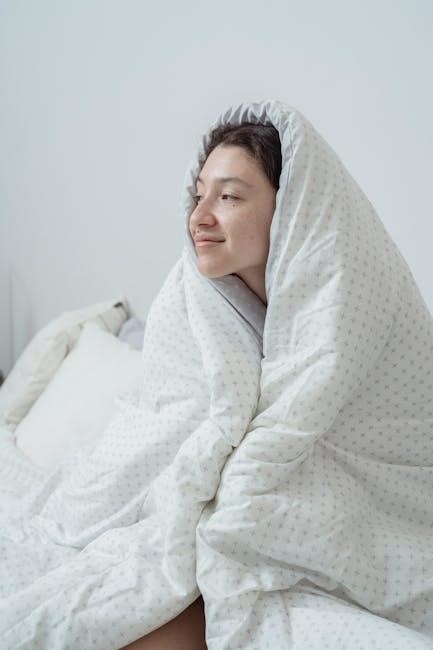
Selecting the ideal weighted blanket involves considering weight, size, material, and fill type to ensure optimal comfort and therapeutic benefits for individual needs.
Determining the Appropriate Weight: The 10% Rule
A widely recommended guideline for selecting a weighted blanket’s weight is the 10% rule. This suggests choosing a blanket that approximates 10% of your body weight. For example, an individual weighing 150 pounds should ideally opt for a 15-pound blanket. However, this is a general starting point, and personal preference plays a significant role.
Some individuals may find comfort with a slightly heavier or lighter blanket. It’s crucial to consider individual sensitivity and comfort levels. Those new to weighted blankets might begin with a lighter weight and gradually increase it if desired. It’s also important to note that this rule may need adjustment for children or individuals with specific medical conditions, always consulting a healthcare professional for personalized advice.
Ultimately, the goal is to achieve a gentle, comforting pressure that promotes relaxation without feeling restrictive or uncomfortable.
Blanket Size and Material Options
Weighted blankets come in various sizes, mirroring standard blanket dimensions, typically ranging from throw blankets (around 48×72 inches) to larger sizes suitable for twin, queen, or king beds. The size should correspond to your body size and sleeping style – ensuring coverage without excessive overhang. Material choices significantly impact comfort and breathability.
Common outer materials include cotton, known for its softness and breathability, making it suitable for warmer climates; Minky fabric offers a plush, velvety feel, ideal for those seeking extra coziness. Bamboo is another popular option, prized for its hypoallergenic and moisture-wicking properties. The inner construction also matters, housing the weighted material within quilted pockets to ensure even weight distribution.
Consider your personal preferences and climate when selecting both size and material for optimal comfort.
Weighted Blanket Fillings: Glass Beads vs. Plastic Pellets
The filling within a weighted blanket significantly impacts its feel, durability, and cost. Two primary options dominate the market: glass beads and plastic pellets. Glass beads are generally preferred due to their smaller size and higher density, allowing for more even weight distribution and a quieter experience – minimizing rustling sounds.
They also tend to be more durable and less prone to leakage compared to plastic pellets. Plastic pellets, typically polypropylene, are a more affordable option but can be bulkier and less conforming. This can result in a less subtle, more noticeable weighted sensation.
Furthermore, plastic pellets may degrade over time, potentially leading to noise or leakage. Choosing glass beads often represents a worthwhile investment for long-term comfort and quality.
Considering Climate and Temperature Regulation
Weighted blankets are known for their potential to retain heat, a crucial factor when considering climate and personal preferences. Individuals in warmer climates or those who naturally sleep hot may find traditional weighted blankets uncomfortable due to overheating. Materials like cotton or bamboo are more breathable and can mitigate this issue, offering a cooler sleep experience.
Conversely, those in colder climates might appreciate the added warmth. Newer weighted blanket designs incorporate moisture-wicking fabrics and innovative cooling technologies to address temperature regulation;
Selecting a blanket with a removable, washable cover allows for seasonal adjustments and easier cleaning. Carefully evaluating your sleep environment and body temperature is essential for optimal comfort.

Potential Risks and Considerations
While generally safe, weighted blankets pose risks like heat retention and aren’t suitable for everyone, especially young children or those with certain medical conditions.

Heat Retention and Overheating Concerns
A significant consideration when using weighted blankets is their tendency to trap heat. The added weight and density of the blanket, particularly those with less breathable fillings, can limit airflow and contribute to increased body temperature during sleep. This can be particularly problematic for individuals who naturally sleep warm, live in warmer climates, or are prone to night sweats.
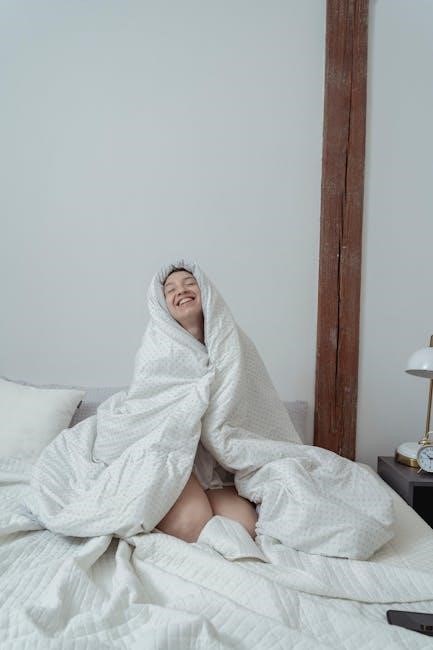
Choosing blankets made with breathable materials like cotton or bamboo can help mitigate this issue. Furthermore, layering the weighted blanket over lighter bedding, rather than using it as the sole cover, can provide additional temperature regulation. It’s crucial to monitor for signs of overheating, such as excessive sweating or discomfort, and adjust bedding accordingly. Individuals with conditions that impair thermoregulation should exercise extra caution and consult with a healthcare professional before using a weighted blanket.
Suitability for Different Age Groups (Adults vs. Children)
While weighted blankets offer potential benefits for both adults and children, careful consideration must be given to age and developmental stage. For adults, selecting an appropriately weighted blanket based on body weight is generally straightforward, following the recommended 10% rule. However, children require more cautious assessment.
Weighted blankets should never be used for infants or very young toddlers due to the risk of suffocation. For older children, a pediatrician or occupational therapist should be consulted to determine if a weighted blanket is appropriate and to recommend a safe weight. A lighter weight is generally recommended for children. Supervision is essential, especially when introducing a weighted blanket to a child, to ensure they can easily remove it independently and do not feel restricted or overwhelmed.
Contraindications: When to Avoid Weighted Blankets
Despite generally being safe, weighted blankets aren’t suitable for everyone. Certain medical conditions necessitate avoiding their use. Individuals with respiratory problems, such as asthma or sleep apnea, should exercise caution, as the added weight could restrict breathing. Similarly, those with circulatory issues, like low blood pressure, may experience discomfort or complications.
People with claustrophobia or a history of anxiety related to feeling confined should also avoid weighted blankets, as the sensation can be triggering. Crucially, weighted blankets are not recommended for individuals with epilepsy or other seizure disorders without explicit medical clearance. Always consult a healthcare professional before using a weighted blanket if you have any underlying health concerns to ensure it won’t exacerbate existing conditions.
Addressing Concerns About Muscle Relaxation – Limited Evidence
A common misconception surrounds the idea that weighted blankets directly relax muscle tissue. While many users report a feeling of calm and comfort, current scientific research offers limited support for a direct muscle-relaxing effect. Studies primarily demonstrate benefits related to sleep quality, anxiety reduction, and mood improvement, rather than demonstrable physiological changes in muscle tension.
The perceived relaxation likely stems from the blanket’s deep touch pressure stimulation, which can promote the release of serotonin and dopamine – neurotransmitters associated with well-being. However, it’s important to understand that this is distinct from targeted muscle relaxation techniques. While the blanket can contribute to overall comfort, individuals seeking specific muscle relaxation should explore dedicated therapies like massage or physical therapy.

Cost and Maintenance
Weighted blankets vary in price, demanding budget consideration; cleaning involves following care instructions to ensure durability and longevity, maximizing your investment’s value.
Price Range and Budget Considerations
The cost of a weighted blanket can fluctuate significantly based on several factors, including the weight, size, materials used, and brand reputation. Generally, you can expect to find weighted blankets ranging from approximately $50 to $300 or even higher for premium options. Lighter weight blankets, or those made with less expensive materials like polyester, will typically fall on the lower end of the price spectrum.
Conversely, heavier blankets utilizing high-quality fabrics like cotton or bamboo, and filled with glass beads, will command a higher price point. It’s crucial to establish a realistic budget before beginning your search. Consider the long-term value; a more durable blanket might be a worthwhile investment despite a higher initial cost.
Don’t forget to factor in potential shipping costs and any applicable sales tax. Exploring sales and discounts can also help you secure a better deal. Remember, the most expensive blanket isn’t necessarily the best – prioritize quality and suitability for your needs within your budgetary constraints.
Cleaning and Care Instructions
Maintaining your weighted blanket is essential for hygiene and longevity. Always check the manufacturer’s care label first, as instructions vary depending on the materials used. Many weighted blankets feature removable, washable covers, simplifying the cleaning process. These covers can typically be machine washed on a gentle cycle with cold water and mild detergent, then tumble dried on low heat.
However, the weighted insert itself usually requires more delicate care. Spot cleaning with a damp cloth is often recommended for minor stains. Avoid fully submerging the blanket in water, as this can damage the internal fillings.
Regularly vacuuming the blanket can help remove dust and debris. Airing it out periodically in fresh air can also help maintain its freshness. Proper care will ensure your weighted blanket remains a comforting and hygienic addition to your sleep routine for years to come.
Durability and Longevity
The lifespan of a weighted blanket hinges on material quality and usage. Higher-end blankets, utilizing robust fabrics and well-contained fillings, generally exhibit greater durability. Glass beads, often preferred over plastic pellets, tend to maintain their integrity longer, resisting compression and leakage.
Consistent, gentle use and adherence to cleaning instructions significantly extend a blanket’s life. Avoiding harsh washing or excessive heat prevents fabric degradation and filling displacement. Inspecting seams regularly for wear and tear allows for timely repairs, preventing minor issues from escalating.
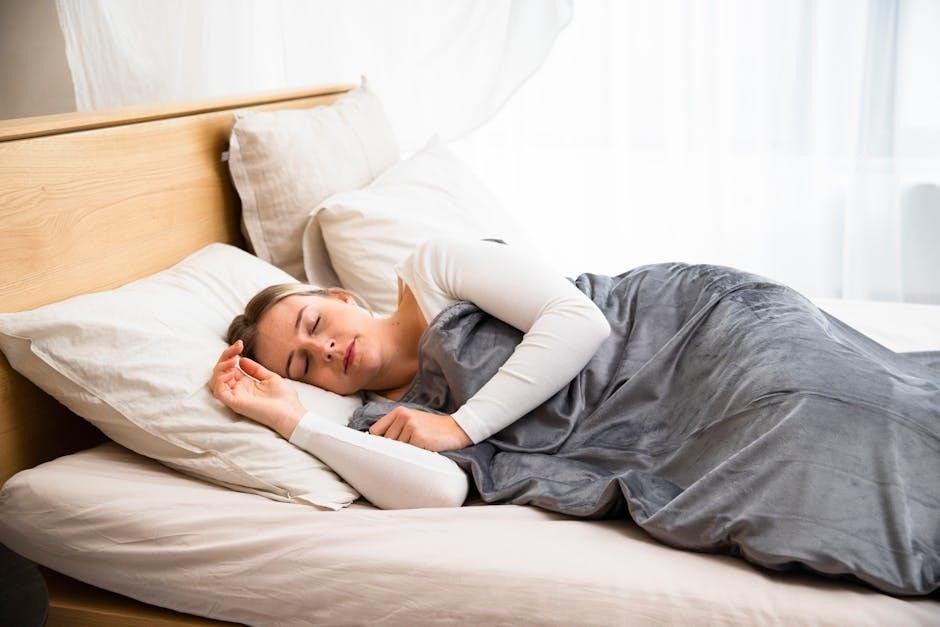
While a well-maintained weighted blanket can provide years of comfort, expect gradual wear over time. Ultimately, longevity depends on the initial quality and the level of care provided throughout its use.

The Future of Weighted Blanket Research
Further studies are needed to solidify evidence, refine prescription patterns, and pinpoint ideal populations for weighted blanket benefits, addressing current limitations in scientific understanding.
Current Limitations in Scientific Evidence
Despite growing anecdotal evidence and increasing popularity, robust scientific research supporting the widespread use of weighted blankets remains limited. A significant challenge lies in conducting truly blind studies; participants can readily discern whether they are using a weighted blanket, introducing potential bias. Securing funding for such research is also difficult, as sponsors may be hesitant to invest in studies evaluating a relatively inexpensive, non-patentable product.
Currently, much of the evidence is based on self-reported outcomes and smaller-scale trials. While these studies suggest potential benefits for sleep, anxiety, and certain conditions like Autism Spectrum Disorder and Restless Leg Syndrome, larger, more rigorously controlled studies are needed to confirm these findings. Specifically, research is lacking on the long-term effects of weighted blanket use and the optimal weight and duration of use for different individuals and conditions. More investigation is crucial to establish clear guidelines and recommendations.
Potential Areas for Future Studies
Future research should prioritize large-scale, randomized controlled trials to definitively assess the efficacy of weighted blankets for various conditions. Investigating the impact on specific sleep disorders, beyond general sleep quality, is crucial. Studies could explore the physiological mechanisms underlying any observed benefits, such as changes in heart rate variability or cortisol levels.
Further research is needed to determine optimal weight recommendations, considering individual factors like body weight, age, and health status. Exploring the effects of different blanket materials and fill types (glass beads vs. plastic pellets) could also refine recommendations. Additionally, studies should examine the cost-effectiveness of weighted blankets compared to pharmaceutical interventions, particularly given their potential as a safer alternative. Finally, research focusing on specific populations, like children and individuals with sensory processing issues, is warranted.